
Why Nail Length Matters for Safe Dog Treadmill Training
Proper nail care is often overlooked, yet it plays a crucial role in your dog’s health, mobility, and safety—especially when using a dog treadmill. Whether your dog trains occasionally or follows a regular conditioning program, nail length directly affects posture, traction, and joint alignment.
In this article, we explain why nail length is essential for safe treadmill workouts, how it impacts movement, and what dog owners and professionals should know before training.
How Nail Length Affects a Dog’s Movement
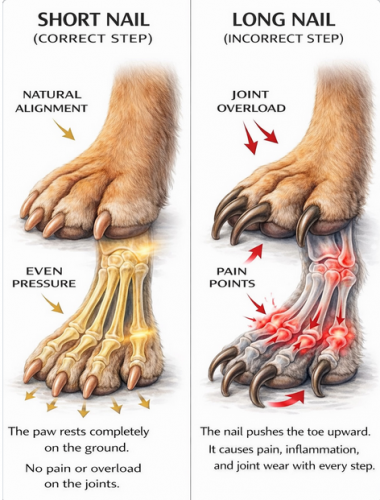
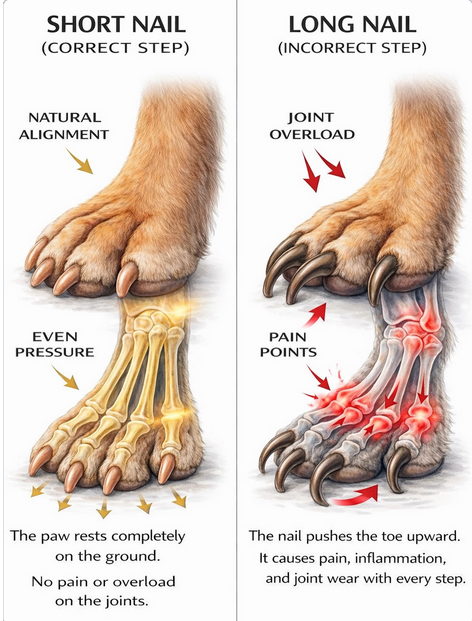
When a dog’s nails are kept at the correct length, the paw can rest flat and stable on the running surface. This allows:
- Natural stride and paw placement
- Correct joint alignment from toes to spine
- Even weight distribution during movement
On a well-designed dog treadmill, such as a Firepaw slatmill, this natural movement is essential for effective and joint-friendly training.
However, long or overgrown nails change everything.
The Risks of Long Nails During Treadmill Training
Overgrown nails push the toes upward, forcing the dog into an unnatural posture. This leads to:
- Reduced traction and grip on the treadmill belt
- Altered gait and shortened stride
- Increased stress on joints, tendons, and ligaments
- Higher risk of slipping, hesitation, or discomfort
Over time, this incorrect movement pattern can contribute to chronic issues affecting the knees, elbows, shoulders, and spine. On a treadmill—where movement is repetitive—these effects can appear even faster ⚠️
Nail Length, Grip, and Confidence on the Treadmill
Good traction is essential for safe treadmill use. Dogs with properly maintained nails:
- Feel more confident stepping onto the treadmill
- Maintain better balance and rhythm while running
- Use their muscles efficiently without compensating for discomfort
In contrast, dogs with long nails may hesitate, shift weight unnaturally, or avoid using the treadmill altogether. This not only affects performance but can also reduce the benefits of training.
Why Nail Care Is Part of Responsible Treadmill Training
Using a dog treadmill is not just about exercise—it’s about how the exercise is performed. Nail care should always be considered part of a complete training and welfare routine, alongside:
- Proper warm-up and cool-down
- Gradual progression of intensity
- Correct treadmill setup and supervision
For professional environments such as dog gyms, rehabilitation centers, and mobile dog gyms, regular nail checks are especially important due to frequent treadmill use.
Best Practices for Dog Owners and Trainers
- Check nail length regularly, especially before treadmill sessions
- Nails should not constantly touch the ground when the dog is standing
- Trim gradually and consistently rather than waiting until nails are too long
- Pay attention to dewclaws, which often grow faster
👉 Always consult a veterinarian or professional groomer to learn proper trimming techniques and avoid injury.
Final Thoughts
Healthy movement starts at the paws. Keeping your dog’s nails at the correct length improves comfort, safety, and long-term joint health—especially during treadmill training.
When combined with a high-quality, joint-friendly dog treadmill, proper nail care helps ensure every workout is safe, effective, and enjoyable for your dog.
Take care of the details. Check your dog’s nails, train smart, and protect their movement—one step at a time 🐾