

Hydration for Athletic Dogs: The Science Behind Safe Training, Performance & Recovery
A professional guide to keeping working, sporting and highly active dogs properly hydrated before, during and after exercise.


Performance is not just about how hard a dog trains. It is also about how well its body is prepared to perform — and recover.
At Firepaw, we believe professional canine conditioning requires more than high-quality equipment and a structured exercise program. It requires an understanding of canine physiology, workload management, recovery and hydration.
Whether a dog is training for competitive sports, police or military work, hunting, endurance activities, or general athletic conditioning, proper hydration is fundamental to both performance and welfare.
Yet hydration is one of the most frequently overlooked aspects of canine fitness.
1. Why hydration matters for athletic dogs
Water is involved in nearly every physiological process essential to athletic performance, including blood circulation, nutrient transport, muscle function, metabolic regulation and body temperature control.
During intensive exercise, muscles generate considerable heat. Unlike humans, dogs have a limited ability to cool themselves through sweating. Instead, they rely primarily on panting, which allows heat to dissipate through evaporation from the respiratory tract.
This process consumes water.
As exercise intensity, duration and environmental temperature increase, the dog’s hydration requirements can rise significantly.
Research involving working and endurance dogs confirms that exercise increases water turnover, although the exact requirement varies substantially between individuals and activities.
PMC+1
A dog can be physically capable of continuing an exercise while already experiencing increasing thermal and physiological stress. This is why responsible trainers should never rely solely on a dog’s willingness to keep running.
2. Hydration starts before the workout
One of the most common mistakes is treating hydration as something that happens only after exercise.
A well-hydrated dog should begin its training session with normal fluid balance, rather than trying to compensate for an existing deficit during the workout.
For dogs undergoing regular intensive conditioning, we recommend establishing a consistent hydration routine throughout the day.
Practical recommendations:
-
Provide unrestricted access to fresh, clean drinking water throughout the day.
-
Allow the dog to drink normally in the hours leading up to training.
-
Avoid encouraging a very large drink immediately before intense sprinting or vigorous exercise.
-
In warm conditions, consider adding water to regular meals to support overall fluid intake.
-
Monitor drinking habits, especially when traveling, competing or training in unfamiliar environments.
For high-performance dogs, hydration should be considered part of the overall conditioning program, just like nutrition and recovery.
Veterinary sports-nutrition guidance supports maintaining regular water access rather than attempting to compensate for dehydration with a single large drink.
Royal Canin Academy+1
3. Hydration during intensive training
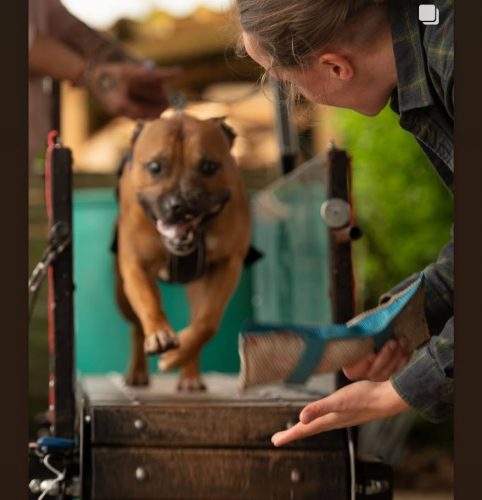
During demanding physical activity, dogs should have opportunities to drink at regular intervals.
For longer or particularly intensive sessions, offering small amounts of water approximately every 15–20 minutes can be a useful starting point, although the frequency should be adjusted to the individual dog, environmental conditions and workload.
This does not mean water should be withheld between scheduled breaks. A dog that needs water earlier should be allowed to drink.
At Firepaw, we encourage trainers to structure sessions around the dog’s condition rather than simply aiming for a predetermined running time or distance.
Practical considerations for mechanical treadmill training
Self-propelled treadmills, such as the Firepaw Phoenix, allow dogs to regulate their running speed through their own movement.
However, self-regulated speed does not eliminate the possibility of overexertion.
A highly motivated working dog may continue running despite increasing fatigue, particularly when encouraged by a handler.
We recommend that trainers:
-
Introduce regular recovery breaks during demanding sessions.
-
Monitor panting, coordination, posture and willingness to continue.
-
Offer water during breaks and ensure the dog can rest comfortably.
-
Adjust workload according to temperature, humidity, conditioning level and previous activity.
-
Stop the session if the dog displays unusual fatigue, distress or abnormal movement.
For professional dog gyms handling multiple animals daily, hydration breaks should be incorporated into standard operating procedures rather than left to chance.
4. Post-exercise hydration: Recovery begins immediately
The end of a workout is not the end of the physiological demands placed on the dog’s body.
After intensive exercise, the dog continues dissipating accumulated heat, restoring normal cardiovascular function and replenishing fluid losses.
Proper post-exercise recovery should include a gradual reduction in activity, access to fresh water and a cool, well-ventilated resting environment.
Offer water during the cooldown and allow repeated opportunities to drink. Discourage frantic gulping of very large volumes at once, particularly if the dog will return to vigorous activity.
Avoid forcing water into the dog’s mouth.
Importantly, hydration alone cannot prevent or treat exercise-induced heatstroke. If the dog is overheating, immediate cooling and appropriate veterinary attention take priority.
5. Do athletic dogs need electrolytes?
This is an area where canine physiology differs significantly from human sports nutrition.
Human athletes lose substantial amounts of sodium and other electrolytes through sweating. Dogs, however, primarily lose heat through panting and do not experience the same pattern of sweat-related electrolyte depletion.
Consequently, healthy athletic dogs eating a complete, balanced diet generally do not require routine electrolyte supplementation after ordinary exercise.
Fresh drinking water remains the preferred hydration source.
VCA Animal Hospitals+1
However, certain demanding situations may justify a more specialized approach.
These include prolonged endurance activities, repeated working sessions in hot environments, or dogs with specific medical or nutritional requirements.
Some studies involving working dogs have investigated electrolyte-enriched or nutrient-enriched hydration solutions, with results suggesting potential benefits in selected circumstances. The evidence does not support treating these products as universally necessary.
PubMed+2
At Firepaw, our recommendation is straightforward: do not automatically apply human sports hydration practices to dogs.
Electrolyte products should be formulated for canine use and introduced with veterinary guidance when appropriate. Human sports drinks and homemade salt mixtures are not suitable substitutes.
6. Recognizing dehydration and excessive heat stress
Responsible training requires recognizing when a dog needs rest, cooling or medical attention.
Possible signs of dehydration or heat-related stress include:
-
Unusually heavy or persistent panting
-
Dry or tacky gums
-
Reduced energy or unexpected decline in performance
-
Weakness, instability or poor coordination
-
Reluctance to continue activity
-
Changes in alertness or behavior
These signs are not specific to dehydration, and a dog can develop dangerous hyperthermia without showing all of them.
Collapse, confusion, seizures, severe weakness or breathing distress are emergency warning signs.
If heatstroke is suspected, stop exercise immediately, begin cooling with cool water and airflow, and seek emergency veterinary care. Do not delay cooling while arranging transport.
Veterinary guidance emphasizes that heat-related illness can develop rapidly and requires prompt intervention.
NCBI Bookshelf+2
7. A professional hydration protocol for canine fitness facilities
For professional trainers, working-dog handlers and dog gym operators, consistency is essential.
The following framework can be incorporated into a structured training program.
| Training stage | Recommended approach |
|---|---|
| Before training | Confirm normal behavior, hydration and access to drinking water |
| Warm-up | Begin gradually and observe the dog’s response |
| During exercise | Provide regular rest and drinking opportunities, adjusted to workload |
| Immediately after | Gradual cooldown, fresh water and active monitoring |
| Recovery period | Continue water access and monitor return to normal behavior |
These recommendations are general principles, not fixed veterinary prescriptions. Dogs undergoing rehabilitation, recovering from illness, or living with cardiovascular, renal or other medical conditions may require individualized plans.
Why monitoring training data matters
Modern canine conditioning increasingly benefits from objective measurements.
Recording exercise duration, distance, speed and training frequency can help professionals evaluate workload progression and recognize changes in performance.
With the Firepaw Smart Sensor and App, trainers can track key training metrics and review individual dogs’ exercise histories.
This information can help structure conditioning programs and support more consistent decisions about exercise intensity and recovery.
However, performance data should always be interpreted alongside direct observation of the dog. Speed and distance measurements do not establish hydration status or core body temperature.
8. The Firepaw philosophy: Train intelligently, not just intensively
At Firepaw, we believe the goal of professional canine conditioning is not simply to make a dog run faster or longer.
It is to develop physical capacity through progressive, controlled and sustainable training.
Proper hydration, sensible workload management, environmental awareness and adequate recovery are fundamental parts of that process.
Whether training a competitive athlete, a police K9, a hunting dog or a family companion, the principles remain the same.
Better performance starts with better preparation. And responsible recovery is part of every successful training session.
Firepaw — Engineered for Performance. Designed with Canine Well-Being in Mind.
Scientific and veterinary references
The recommendations in this article are informed by veterinary guidance and published canine exercise research:
Educational disclaimer: This article provides general canine conditioning information and does not replace individualized veterinary advice, diagnosis or emergency treatment.