
Recovery Tips Every Dog Owner Should Know
Whether your dog is training for sport, working, rehabilitation, or simply staying fit, recovery is just as important as the workout itself. Just like human athletes, dogs can experience muscle fatigue and stiffness after exercise—especially if they are new to treadmill training, returning after a break, or increasing their workload too quickly.
Fortunately, a few simple recovery habits can dramatically reduce muscle soreness and help your dog stay healthy, comfortable, and motivated to train.
Before the Workout: Never Skip the Warm-Up
One of the biggest mistakes is asking the dog to perform intense exercise without preparing its muscles first.
A proper warm-up should take 5–10 minutes and may include:
- A relaxed walk
- Easy trotting
- Gentle turns and direction changes
- Simple obedience exercises
- A few minutes of slow treadmill walking before increasing speed
A gradual increase in intensity improves blood circulation, raises muscle temperature, lubricates the joints, and prepares tendons and ligaments for exercise.
Structure the Workout Properly
Dogs should not go from standing still directly into maximum effort.
A good training session usually consists of:
- Warm-up (5–10 min)
- Main workout
- Cool-down (5–10 min)
The intensity should increase gradually and decrease gradually.
Sudden starts and sudden stops create unnecessary stress on muscles, joints, and tendons.
Recovery Starts Immediately After Training
Many people finish the workout and simply put the dog back in the kennel or the car.
This is where recovery actually begins.
Cool Down
Allow your dog to walk slowly for 5–10 minutes after training.
This helps:
- normalize heart rate
- improve circulation
- remove metabolic waste products
- reduce muscle stiffness
Avoid stopping intense exercise abruptly.
Massage
A gentle massage is one of the easiest ways to improve recovery.
Using light pressure, massage the large muscle groups:
- shoulders
- back
- thighs
- hamstrings
- calves
Massage increases blood flow, relaxes tight muscles, and helps reduce post-exercise stiffness.
If your dog seems uncomfortable or reacts painfully, avoid deep pressure and consult your veterinarian or canine physiotherapist.
Passive Stretching
After the dog has completely cooled down, gentle passive stretching may help maintain flexibility.
Stretching should always be slow and gentle.
Never force a joint beyond its natural range of motion.
If the dog resists, stop immediately.
Hydration
Always provide fresh water after exercise.
Proper hydration supports muscle recovery and normal body function.
Nutrition
Recovery starts from the inside.
High-quality protein, balanced nutrition, and sufficient calories are essential for repairing muscle tissue after exercise.
Dogs performing regular conditioning often benefit from diets formulated for active or working dogs.
Rest Is Part of Training
Muscles become stronger during recovery—not during exercise itself.
Avoid high-intensity training every day.
Most active dogs benefit from alternating:
- conditioning days
- skill training
- light recovery walks
- complete rest days
What If My Dog Becomes Stiff?
Occasional mild stiffness after introducing a new training program can be normal.
However, persistent stiffness, limping, reluctance to move, or pain should never be ignored.
Reduce the workload and consult your veterinarian or canine rehabilitation professional if symptoms continue.
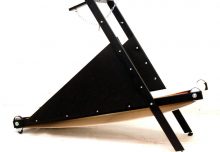
Why Mechanical Firepaw Slatmills Help
Unlike motorized treadmills, Firepaw mechanical slatmills allow the dog to control its own pace.
The dog can naturally slow down or stop whenever needed, helping reduce unnecessary stress.
Combined with Firepaw’s Multi-Level Joint Protection System, advanced shock-absorbing components, and properly structured training, they provide one of the safest ways to build endurance, strength, and cardiovascular fitness.
Final Thoughts
Training builds performance.
Recovery builds stronger dogs.
A proper warm-up, progressive training, an effective cool-down, hydration, massage, and adequate rest can significantly reduce muscle soreness and help your dog stay healthy for years of training.